

 Passivation is a post fabrication/machining process to maximize the corrosion resistance of the Stainless Steel material. The process is carried out by the dissolution of any surface iron compounds (free iron) by using an acid solution, most commonly Nitric Acid (Willowchem 70). Thus creating a spontaneous passive film, on the surface of the stainless steel component.
In simple terms, the passivation process removes "free iron" contamination left behind on the surface of the stainless steel as a result of machining and fabricating processes.These contaminants are potential points of corrosion which, if not removed, may result in premature corrosion and ultimately result in deterioration of the components, In addition, the passivation process instantaneously induces the formation of a very thin, transparent oxide film, which protects the stainless steel from selective corrosion.
In a nutshell, many fabricators, manufacturers and workshops that use the stainless steel, do not fully appreciate the fundamental metallurgical requirements to achieve fit for purpose components and as a result , readily turn their backs on the resulting problems that occur from that lack of knowledge.The aftermath can be extremely costly, frustrating and sometimes very difficult to remedy after installation.
Benefits of Passivation
- Dissolves surface "free iron" particles.
- Increases corrosion resistance
- Removes surface contaminants
- Instantaneously forms passive oxide layer.
The passivation process will conform to ASTM A967.
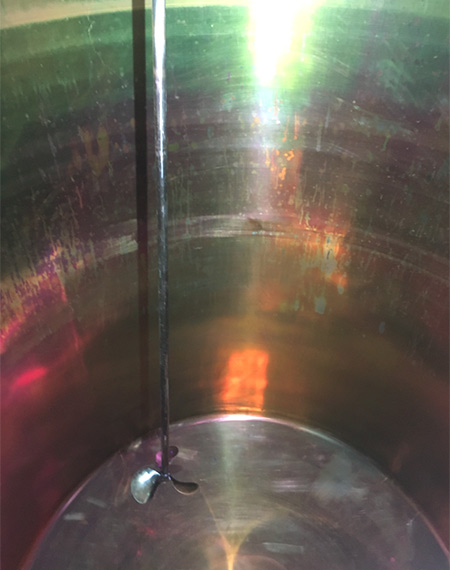
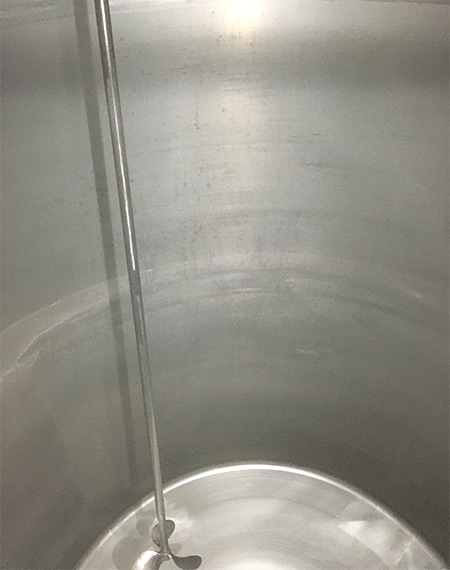
Below: Before and after pickling and passivation